
Studies show up to 50% of kids go through a picky eating phase. So if mealtimes feel like a negotiation every night, you’re in good company. And you most definitely aren’t doing anything wrong.
But it’s worth knowing that picky eating and low iron often show up together. And it’s not always clear which one caused which.
Which comes first, picky eating or low iron?
It's easy to assume picky eating is simply a phase, a personality trait, or a sign your child "just doesn't eat right". But the relationship between picky eating and iron is often a two-way street.
Low iron can make kids picky. Iron deficiency can dull appetite, reduce the enjoyment of food, and even affect how food tastes, making meals feel less appealing overall.
Picky eating can also decrease iron levels. When kids consistently avoid iron-rich foods like meat, leafy greens, and legumes, their iron stores can drop over time.
Once one starts, it tends to feed the other. Let’s break down how the cycle works.
What the research shows.
One 2023 study of almost 450 children compared picky eaters to non-picky eaters. It found that 20.3% of children in the study had iron deficiency. Among those, 66.7% had coexisting deficiencies in both iron and zinc.
Picky eaters in the study also had measurably lower serum iron levels than non-picky eaters. In other words, this isn't just a theory parents have pieced together. It's a pattern researchers are seeing too.
The low-iron-picky-eating cycle, explained.
Here's how it tends to unfold. Low iron leads to lower appetite and less enjoyment of food, which leads to more restrictive eating, which leads to even lower iron. From there, the cycle continues.
Growth plays a role here too, not just diet. Rapid growth phases, like a baby's first year or a pre-teen growth spurt, demand more iron regardless of how well a child is eating. So even a "good enough" diet can sometimes fall short during these stretches.
Parent Tip: Consider whether your child’s pickiness seems to be getting worse over time, as opposed to staying steady. This could be a sign that iron is part of the picture.
How iron deficiency can drive picky eating.
When a child's iron runs low, appetite is often the first thing to change. Iron deficiency is linked to reduced hunger, so your child may simply want to eat less overall. Some research suggests iron-deficient kids also have a duller sense of taste, which can make even familiar foods less exciting to eat.
On top of that, low iron brings fatigue and irritability. Every parent knows a tired, cranky kid is rarely an enthusiastic eater. Mealtimes already ask for a lot of cooperation from young children, and low energy makes that ask even harder.
How picky eating can drive iron deficiency.
On the flip side, extreme picky eaters who consistently avoid meat, leafy greens, and legumes are at real risk of missing out on iron. These foods tend to be some of the first ones picky eaters push away, whether because of texture, taste, or simple unfamiliarity. This makes it easy for iron intake to quietly fall behind.
Meat is worth zeroing in on. Iron from animal sources (called heme iron) is easier for the body to absorb than iron in plant foods (called non-heme iron). This means kids who don’t eat meat are likely consuming less iron, while opting for harder-to-absorb iron.
It’s still possible for kids to have healthy iron levels without eating meat. But if your child is already struggling with low iron, it could be a factor to talk to your doctor about.
Parent Tip: Watch for pica, a lesser-known symptom where kids crave non-food items like dirt, ice, or chalk. It's a sign worth mentioning to your doctor, and it can also crowd out nutrient-dense eating even further.
Signs to watch for.
Alongside picky eating itself, keep an eye out for:
-
Fatigue or low energy during play
-
Pale skin, especially around the lips or nail beds
-
Irritability or mood swings
-
Trouble concentrating
-
Slower growth or weight gain
-
Pica (cravings for non-food items)
If picky eating is severe, persistent, or paired with several of these signs, check in with your child's healthcare provider. A simple blood test can confirm their iron levels and remove a lot of your guesswork.
Making iron-rich foods work for picky eaters.
You don't need to overhaul your child's whole diet overnight. A few small shifts can make a big impact.
-
Hide it in the familiar. Blend spinach into pasta sauce, or stir lentils into a soup your child already eats.
-
Pair it with vitamin C. Iron from plant sources absorbs better alongside vitamin C, so a side of strawberries or bell peppers can go a long way.
-
Keep offering, without pressure. Research on picky eating consistently shows that repeated, low-pressure exposure works better than bribery or battles.
-
Lean on fortified staples. Iron-fortified cereals and breads are an easy add if your child already eats them.
-
Cook with cast iron. Cooking acidic foods like tomato sauce in a cast iron pan can actually increase the iron content of the meal, no extra ingredients required.
Make iron more fun with Ferosom Gummies.
For picky eaters who just won't budge, Ferosom Gummies offer a simple, tasty way to keep iron levels in check.
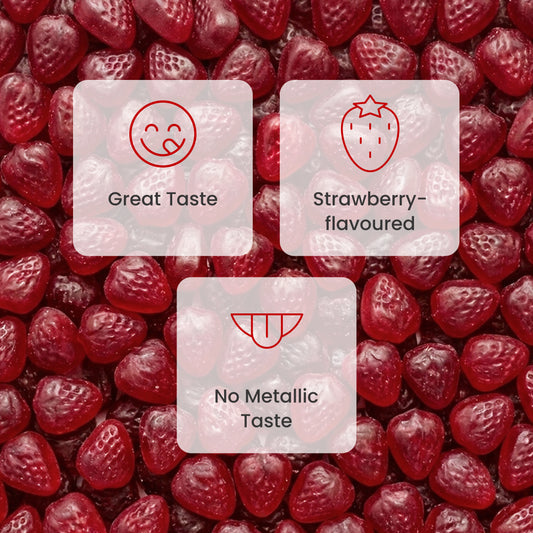
Each strawberry-flavoured gummy delivers 7mg of iron, using a technology called liposomal. It helps the iron avoid acid breakdown in the stomach to increase absorption and skip the digestive discomfort that sometimes comes along with other iron supplements.
Suitable for ages 3 and up, Ferosom Gummies have no metallic aftertaste, synthetic colours, or gelatin. Plus, they’re vegan, halal, and gluten-free, so they can support the whole family’s iron needs. Even the pickiest of family members.
You're on the right track.
The fact that you’re here reading this article shows you’re taking care of your child’s health. Picky eating can feel exhausting for any parent, but staying informed is the first step. Not every case of picky eating leads to low iron. And not every case of low iron presents as picky eating. In fact, iron deficiency in kids can sometimes hide in plain sight. Read this article to learn more.
As you continue to educate yourself, remember your child’s picky eating is not your fault. It’s often biology, not defiance, and understanding the cycle is an important part of breaking it. With a little patience and the right support, most picky eaters can find their way to a wider plate over time.
References:
Fussy Eater. (n.d.). Iron deficiency and fussy eating. Retrieved September 4, 2026, from https://fussyeater.com.au/iron-deficiency-and-fussy-eating/
American Academy of Pediatrics. (2026, June 22). Iron deficiency and anemia in babies, children & teens. HealthyChildren.org. https://www.healthychildren.org/English/health-issues/conditions/chronic/Pages/Anemia-and-Your-Child.aspx
Saati, A. A., & Adly, H. M. (2023). Assessing the correlation between blood trace element concentrations, picky eating habits, and intelligence quotient in school-aged children. Children, 10(7), 1249. https://doi.org/10.3390/children10071249
Binns, D. (2025, May 2). 3 nutrient deficiencies that can fuel picky eating. Danielle Binns Nutrition. https://daniellebinns.com/2025/05/nutrientdeficienciesinkids/
Hamilton Health Sciences. (2004). Iron deficiency in children (8 years or younger) [PDF]. Hamilton Health Sciences. https://www.hamiltonhealthsciences.ca/wp-content/uploads/2019/08/IronDeficiencyChildren-trh.pdf
Advisory Board. (2024, January 9). Are your kids picky eaters? It might be genetic. [Republished 2026, January 30]. https://www.advisory.com/daily-briefing/2025/01/09/picky-eaters